Absolute stress –Hey fam! Today, we’re diving deep into some real knowledge with a lecture example that’s all about understanding absolute maximum shear stress. It’s a topic that often trips folks up, but we’re here to break it down and keep it real!
Gettin’ It Started
This lecture is packed with some valuable insights that can help you grasp the concepts of shear stress in engineering. Before we get into the heavy stuff, let’s check out the visual aid that will guide our understanding. Images can make a big difference in how we comprehend complex topics!
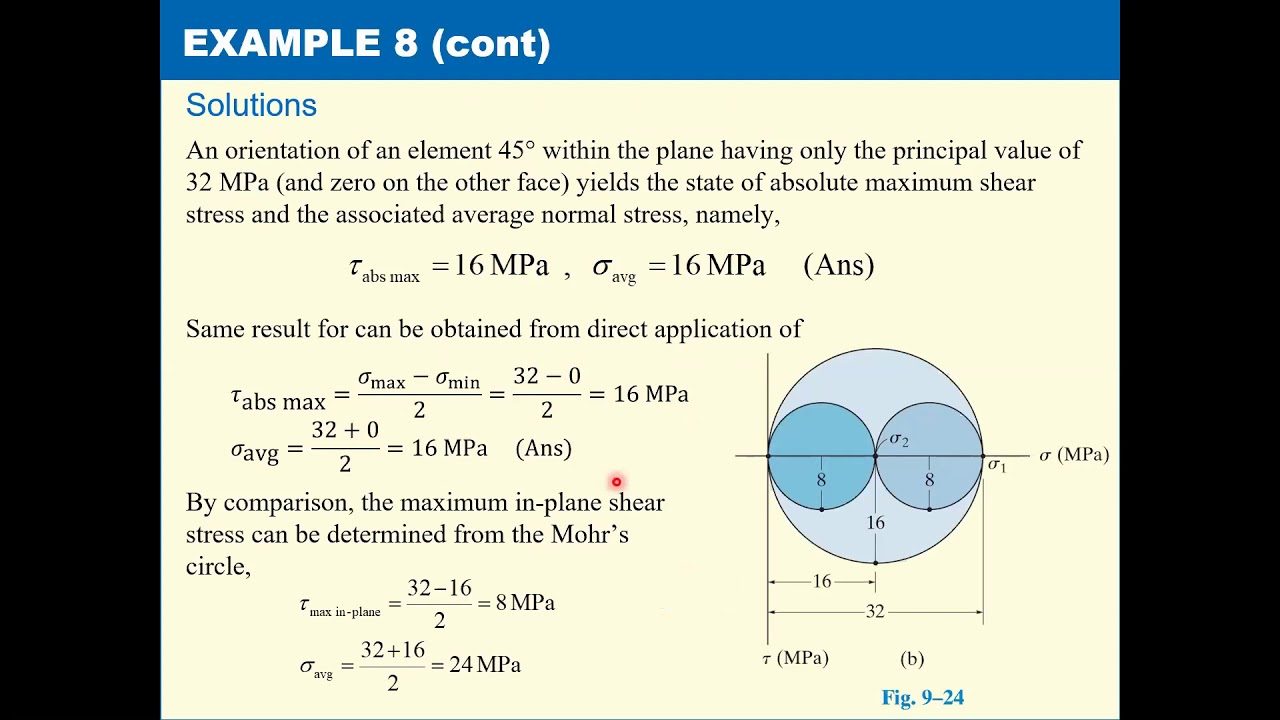
Ingredients for Understanding
Just like a good recipe, you need the right ingredients to whip up a solid understanding of absolute maximum shear stress. Here’s what you’ll need:
- Basic knowledge of shear stress concepts
- Graphical representations (like the image above)
- Example problems to work through
- Patience and perseverance
- A willingness to ask questions and seek help when needed
Instructions for Mastering the Topic
Now that we have our ingredients ready, let’s cook up some knowledge! Follow these steps to master the concept of absolute maximum shear stress:
- Start by reviewing the basics of shear stress. Make sure you understand what it is and how it applies to materials under load.
- Check out the image provided. Visuals can significantly enhance your understanding. Take your time to analyze it and see how it relates to the concepts you’ve learned so far.
- Work through example problems. Nothing solidifies learning like hands-on practice! Find problems related to absolute maximum shear stress and tackle them one by one.
- If you hit a roadblock, don’t hesitate to reach out to your peers or mentors. Discussing problems can often illuminate new perspectives and solutions.
- Finally, reflect on what you’ve learned. Write down your thoughts or teach the material to someone else. Teaching is one of the best ways to learn!
By following these steps, you’ll not only grasp the concept of absolute maximum shear stress but also build a strong foundation for future learning. Keep pushing yourself and remember, every great engineer started where you are now!