Porcupines –Welcome to our exploration of the fascinating world of porcupines, a remarkable species found in various habitats across the globe. These unique animals are often misunderstood due to their distinctive quills, which serve as their primary defense mechanism. In this post, we will delve into the intriguing characteristics and behaviors of porcupines while presenting a captivating image to enhance your understanding.
Porcupine
The porcupine, with its iconic spiny coat, is a nocturnal mammal that primarily feeds on leaves, fruits, and bark. With over 30 species around the world, porcupines can be found in both North and South America, as well as parts of Africa and Asia. Their quills, made of keratin—the same material as human hair and nails—are not only a means of defense but also play a role in thermoregulation.
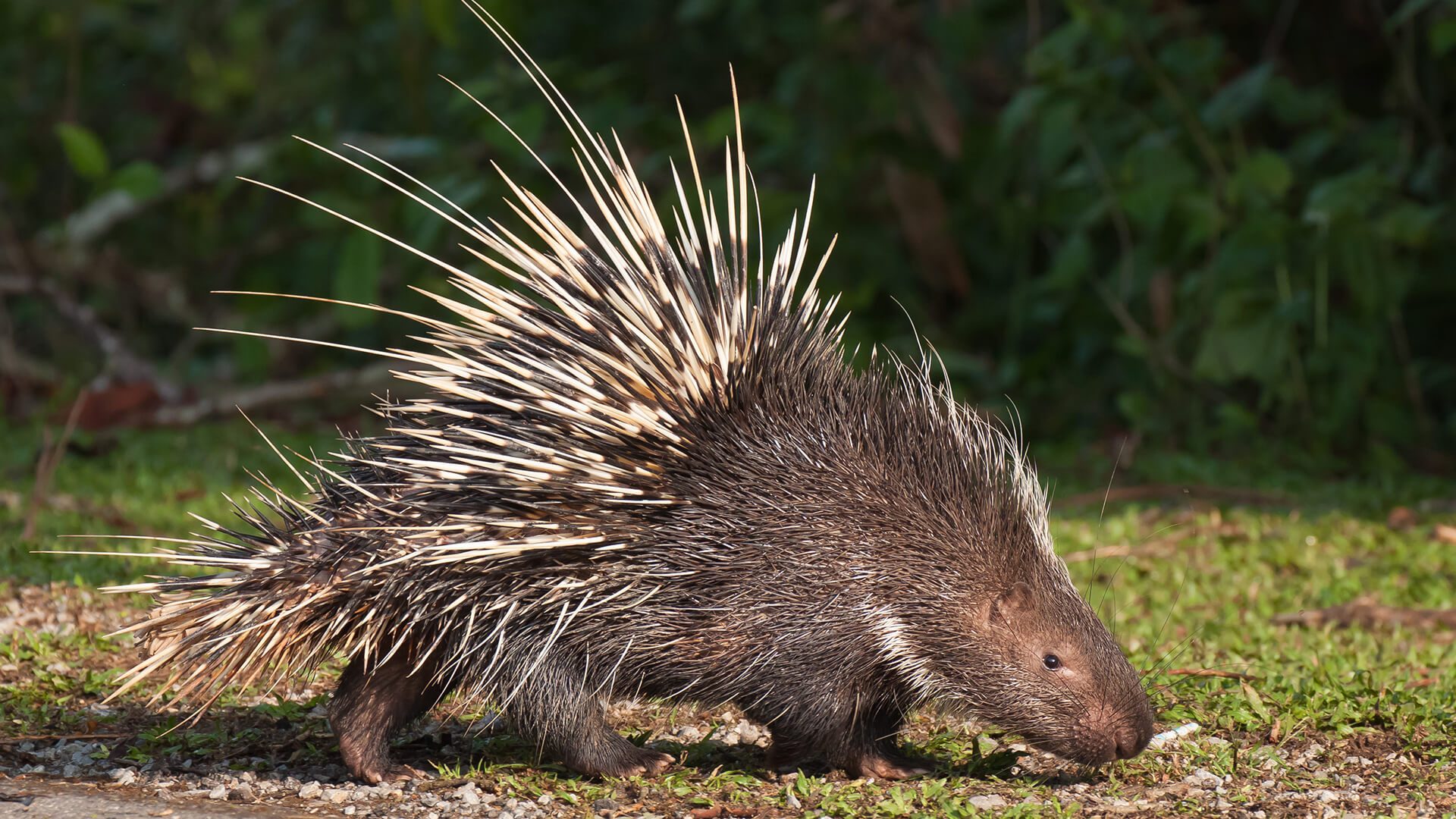
Porcupines are generally solitary creatures, preferring to roam and forage alone, although they may come together during the breeding season. They are excellent climbers, often found in trees where they can access foliage high off the ground, which complements their herbivorous diet. Though their quills can deter many predators, porcupines are still vulnerable to larger carnivores.
The Quills: Nature’s Armor
The most defining feature of porcupines, their quills, serve various purposes beyond protection. They can detach easily when threatened, embedding in the skin of predators. Each quill is barbed, making it difficult to remove, ensuring the porcupine’s safety while giving it a chance to escape. This intriguing adaptation showcases the balance between vulnerability and defense, a theme common in the animal kingdom.
Conservation Efforts
Conservation of porcupine habitats is crucial as urban development and deforestation threaten many species around the world. Organizations like wildlife sanctuaries and zoos play an essential role in educating the public about these animals and supporting conservation efforts. By understanding the importance of porcupines in their ecosystems, we can contribute to the protection of these remarkable creatures.
In summary, porcupines are not only a symbol of the wild but also an integral part of the ecological landscape. Their unique adaptations for survival and their role in maintaining biodiversity are worthy of admiration and protection. Let us continue to learn about and support the conservation of these intriguing animals.