Dinosaur eggs –The fascinating world of dinosaurs continues to astound researchers, especially when it comes to understanding their reproductive behaviors. A recent discovery involving preserved dinosaur eggs has provided significant insights into how these ancient creatures raised their young. Fossilized remains can unravel the mysteries of nurturing practices, offering a glimpse into the lives of dinosaurs millions of years ago.
Preserved Eggs
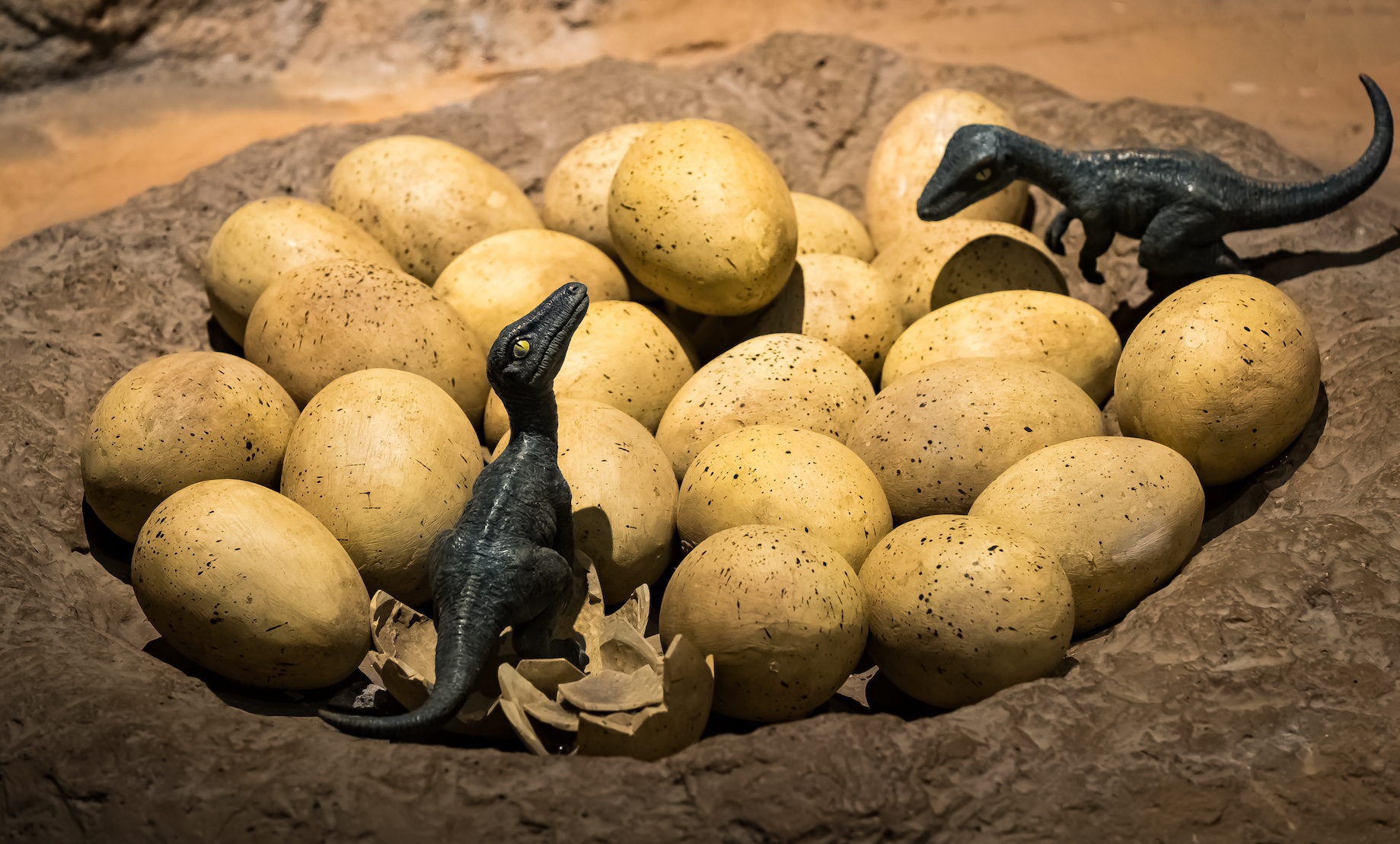
The find of preserved dinosaur eggs sheds light on the parenting strategies of these magnificent creatures. Analyses of these eggs indicate a noteworthy level of parental care, suggesting that dinosaurs might have shared traits with modern-day birds in terms of their nurturing abilities.
Ingredients for Exploration
While the eggs themselves do not come with a recipe, the ingredients for this exploration into dinosaur parenting can be summarized as follows:
- Dinosaur Eggs: The primary subject of study.
- Fossil Records: Essential for providing context and additional data.
- Scientific Tools: Instruments for analysis, including imaging technologies.
- Research Teams: Specialists in paleontology and biology involved in the study.
- Comparative Species: Data from modern birds and reptiles for comparative analysis.
Instructions for Understanding Dinosaur Parenting
As scientists delve into the understanding of how dinosaurs may have raised their offspring, the following steps outline the investigative process:
- Collection of Fossils: Gather samples of preserved eggs from various excavation sites.
- Analysis of Structure: Employ imaging and scanning techniques to study the physical characteristics of the eggs.
- Comparison with Modern Species: Analyze existing avian and reptilian parenting behaviors to draw parallels.
- Document Findings: Record observations and collect data that illustrate the implications of parental care in dinosaurs.
- Peer Collaboration: Engage with experts across various fields to confirm hypotheses and share insights.
Understanding how dinosaurs raised their young not only enhances our knowledge of these ancient beings but also enriches our comprehension of the evolution of parenting strategies. As new discoveries continue to emerge, each finding adds a layer of complexity to the long-standing questions surrounding dinosaur behavior and ecology.